Gravity Roller Conveyors: Manual Transport and Staging
Quick Facts
Technology Performance Metrics
⭐Key Features
Benefits
Applications
Detailed Information
Technology Overview
Gravity roller conveyors are one of the most fundamental and widely used technologies in material handling. They provide a simple, passive, and economical method for moving boxes, cartons, and other rigid items. As a non-powered solution, they rely on gravity (when set on a decline) or manual push force (on level ground) to transport goods. Their primary role is often in staging areas, where products need to be organized and made accessible for the next step in the process, such as packing, inspection, or assembly. Due to their simplicity, low cost, and flexibility, they are ubiquitous in warehouses, distribution centers, manufacturing plants, and shipping departments of all sizes.
How It Works
Core Principles
The core principle is the conversion of potential energy into kinetic energy. When the conveyor is set at an incline, the force of gravity acts on the product, causing it to roll down the line on the free-spinning rollers. On level sections, items can be manually pushed. The rollers reduce friction compared to a flat surface, making movement easier.
Key Features & Capabilities
The defining feature is manual gravity-fed operation, where products slide down under their own weight on a decline. This is enabled by free-spinning rollers which significantly reduce friction and improve packing or handling speed compared to dragging items. The 3-inch roller spacing is a common standard that provides good support for most box sizes. For creating custom layouts, the steel frames bolt together for longer runs, offering great modularity. Operational flexibility is enhanced by adjustable height and adjustable incline, allowing the conveyor to be tailored to different workstations and product flow requirements. The frames are rated for specific load capacities, and the use of sealed bearings protects the rollers from dust and debris, ensuring smooth operation and longevity.
Advantages & Benefits
The primary advantage is being a simple, cost-effective solution for product staging and transport, with a very low initial investment and no ongoing energy costs. They directly improve manual packing and assembly speed by reducing worker fatigue and making material movement effortless. Their modular and expandable design allows for flexible layout configuration and easy reconfiguration as needs change. The use of sealed bearings contributes to low maintenance, requiring little more than occasional cleaning.
Implementation Considerations
Key considerations include that the system requires a decline (incline) for gravity to move products effectively, which must be factored into facility layout. Being a manual operation, it limits throughput compared to powered conveyor systems and is not suitable for fully automated lines. It is generally suitable for lightweight to medium-weight, stable packages; irregularly shaped or very heavy items may not convey well.
Use Cases & Applications
Ideal For
Gravity roller conveyors are ideal for manual operations where cost, simplicity, and flexibility are priorities over high-speed automation. They are perfect for staging areas, manual sortation, and as feed lines to packing stations.
Conclusion
Uline's Gravity Roller Conveyors represent a classic, practical, and indispensable tool in the material handling landscape. For countless operations that do not require or cannot justify powered automation, these conveyors provide an efficient, reliable, and highly scalable way to improve workflow. Their simplicity translates to ease of use, minimal maintenance, and an excellent return on investment. Whether used for a simple packing line or a complex staging network, gravity roller conveyors remain a cornerstone technology for efficient manual logistics.
Vendor
OthersRelated Technologies
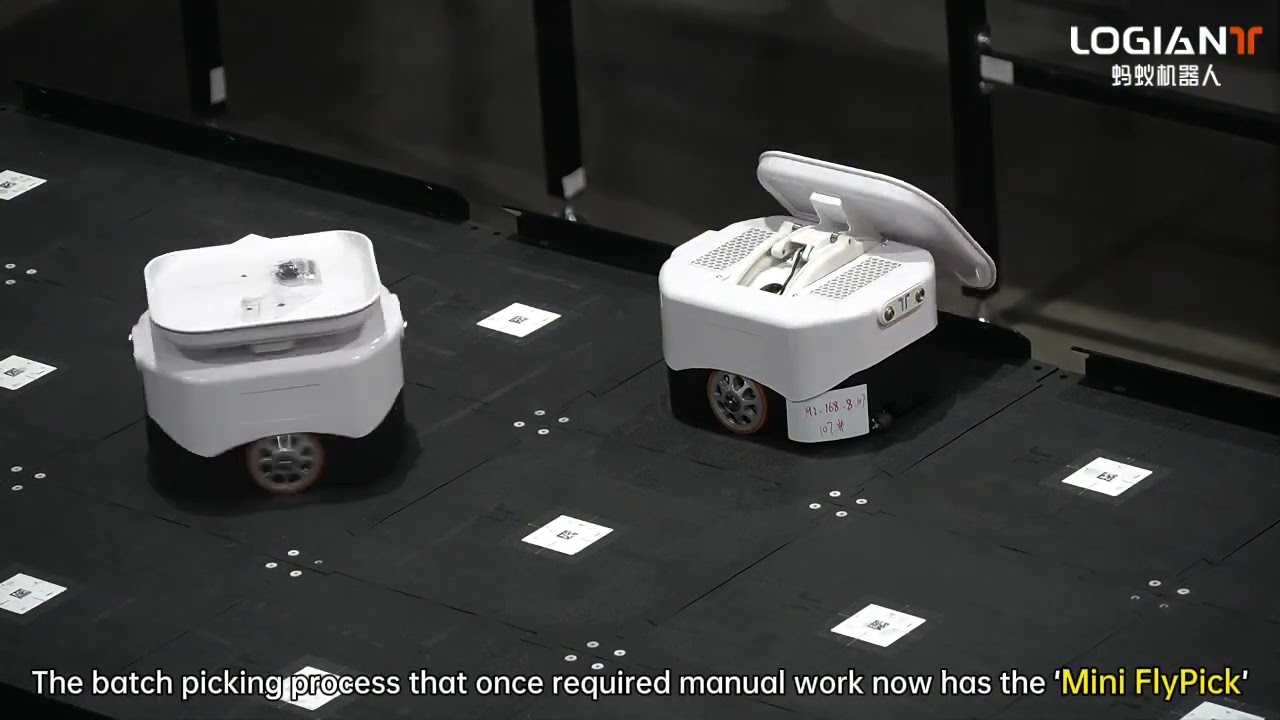
Mini FlyPick Robot: Compact High-Speed Sorting AMR
Others

Split Tray (Bomb Bay) Sorter Compilation: Versatile High-Speed Sortation
Others
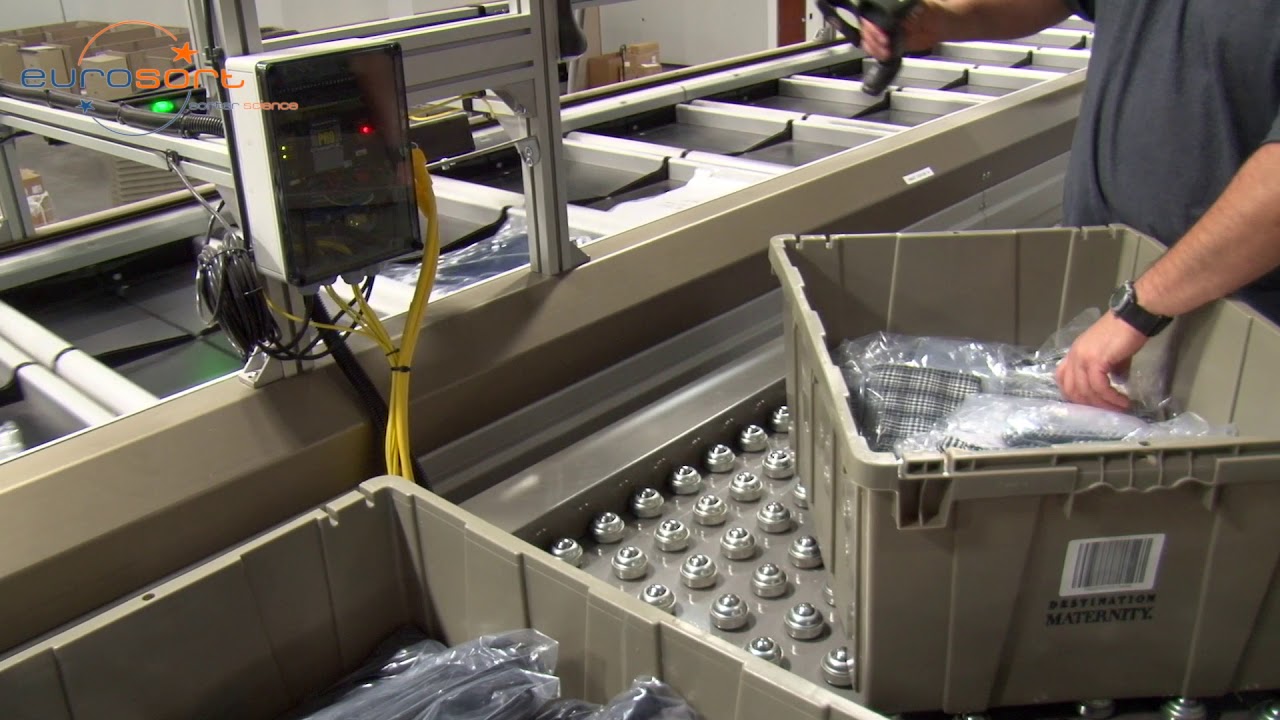
Patented Dual Split Tray (Bomb Bay) Sorter with Batch Induction
Others