Drive-In & Drive-Through Pallet Racking: High-Density Storage
Quick Facts
Technology Performance Metrics
⭐Key Features
Benefits
Applications
Detailed Information
Technology Overview
Drive-in and drive-through pallet racking are specialized high-density storage solutions designed to maximize storage volume in warehouses handling large quantities of a limited range of products. These systems represent a significant departure from selective racking by sacrificing immediate access to every pallet in exchange for dramatically increased storage depth. The core concept allows forklifts to drive directly into the rack structure itself, navigating along rails to store and retrieve pallets from deep lanes. This makes them exceptionally suitable for applications with high inventory volumes but low SKU counts, such as bulk storage of beverages, seasonal goods, or specific raw materials, where space optimization is a primary concern.
How It Works
Core Principles
The system operates on the principle of deep-lane storage accessed from a single aisle. Forklifts enter the rack structure to place pallets on horizontal rails that run the depth of the lane. Retrieval follows the reverse path.
Key Features & Capabilities
Deep Lane Storage is the defining capability, with lanes designed to hold 10 or more pallets in depth, drastically increasing storage density. The Continuous Horizontal Rail system provides a smooth track for both the pallets and the forklift tires within the lane. The system offers Configurable Stock Rotation through its two main types: Drive-In for LIFO and Drive-Through for FIFO, allowing some flexibility based on product characteristics.
Advantages & Benefits
The primary and overwhelming advantage is exceptional storage density. By eliminating multiple aisles and storing pallets deep, these systems can store significantly more pallets in a given floor area compared to selective racking. This makes them highly cost-effective for space-constrained facilities storing large volumes of identical items. They are ideal for high-volume, low-SKU operations where the trade-off between density and selectivity is acceptable.
Implementation Considerations
The major operational drawback is honeycombing, where empty spaces within a lane cannot be easily used for other products, reducing effective capacity. Lower selectivity means accessing a specific pallet (especially in the middle of a lane) can be time-consuming and may require moving other pallets. Forklift operator skill and safety are critical, as maneuvering within the confined rack structure requires precision. The choice between LIFO and FIFO must align with the product's shelf-life and inventory management strategy.
Use Cases & Applications
Ideal For
This solution is ideal for bulk storage of homogeneous products with predictable and consistent turnover, where maximizing pallet count per square meter is the top priority.
Conclusion
Drive-in and drive-through racking are powerful tools in the warehouse design arsenal, offering unparalleled storage density for the right type of inventory. Their value is immense in operations dominated by a few high-volume SKUs. However, the trade-offs in selectivity, vulnerability to honeycombing, and specific stock rotation requirements mean they are not a universal solution. Careful analysis of the inventory profile, turnover, and operational workflow is essential before implementation to ensure these high-density systems deliver their full potential in space savings and operational efficiency.
Related Knowledge
Storage
Storage is the warehouse process of holding inventory in organized locations until needed, balancing space utilization, accessibility, and inventory control to support efficient operations.
Cold Storage Strategy
Cold storage and temperature-controlled warehousing are critical for preserving perishable goods throughout the supply chain. From frozen foods to pharmaceuticals, these specialized facilities maintain precise temperature conditions while optimizing energy efficiency and operational performance.
Vendor
OthersRelated Technologies
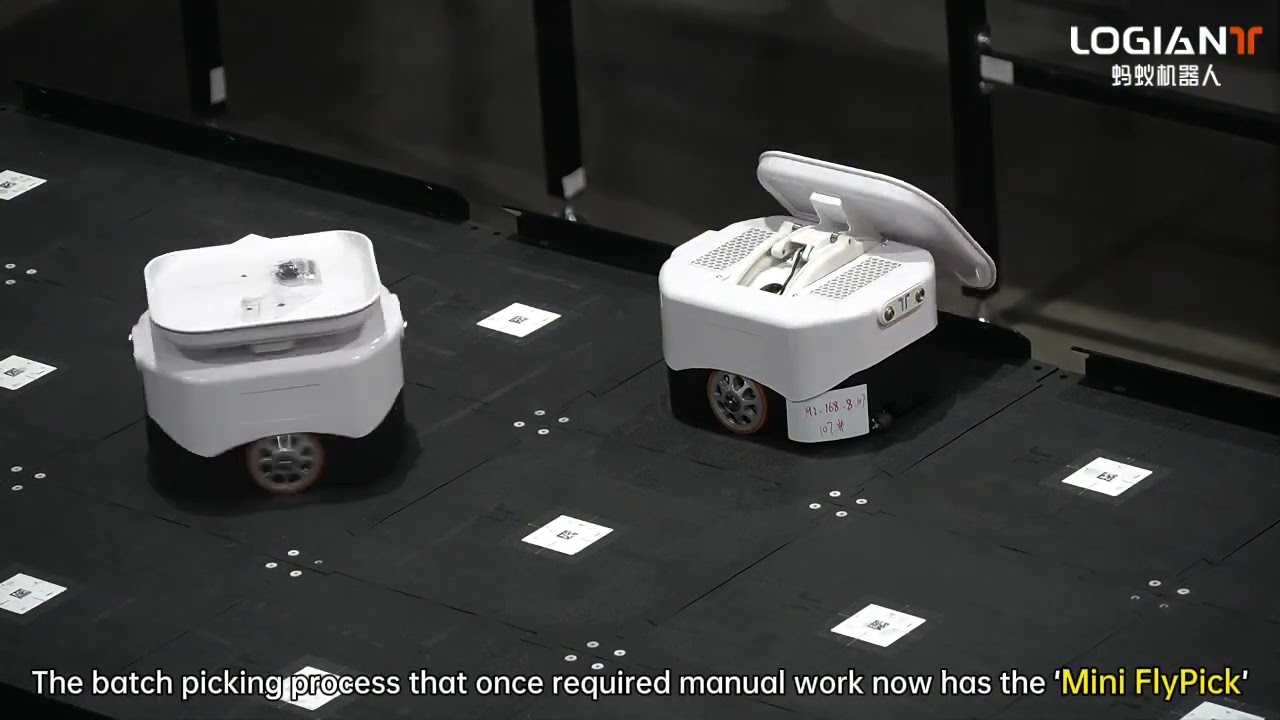
Mini FlyPick Robot: Compact High-Speed Sorting AMR
Others

Split Tray (Bomb Bay) Sorter Compilation: Versatile High-Speed Sortation
Others
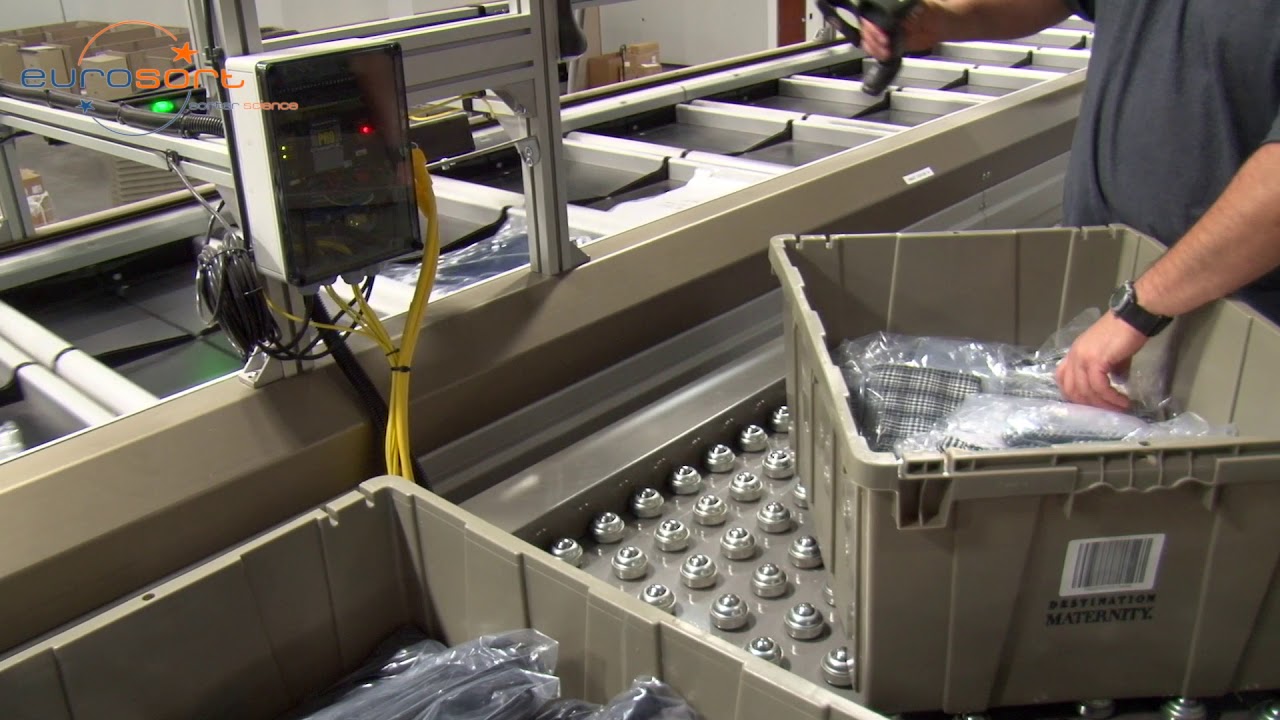
Patented Dual Split Tray (Bomb Bay) Sorter with Batch Induction
Others