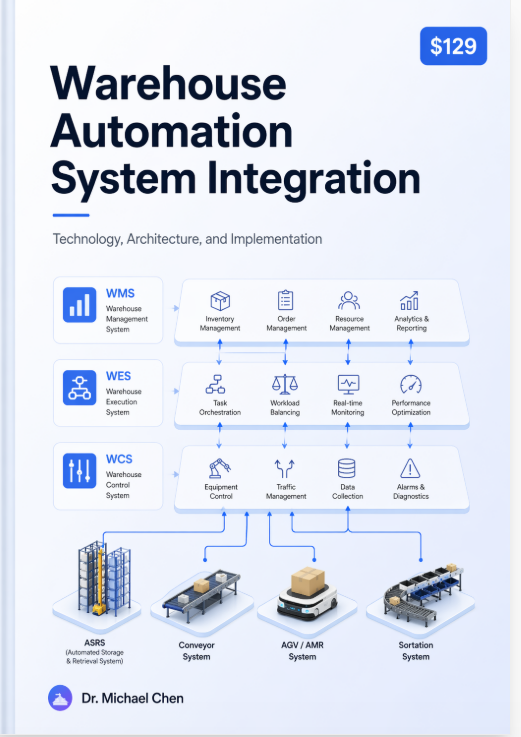
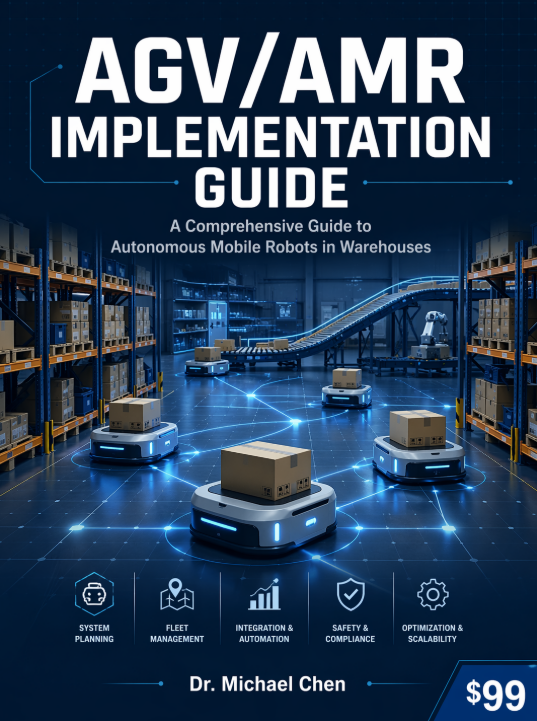
Conveyor Systems for Material Flow: Design and Applications
Quick Facts
Technology Performance Metrics
⭐Key Features
Benefits
Applications
Detailed Information
Technology Overview
Conveyor systems are fundamental to modern intralogistics, serving as the critical arteries that move goods through warehouses and factories. While often perceived as simple connecting links, their design and implementation are central to defining the efficiency of material flow. An effective conveyor system dictates how items travel, queue, merge with other streams, and maintain the required pace to meet operational targets. Across diverse industries—from manufacturing and fast-moving consumer goods (FMCG) to pharmaceuticals and e-commerce—the core objective remains consistent: establishing a stable, predictable flow with seamless handover between each processing step. The specific design, however, must be meticulously tailored to the unique demands of the environment and the products being handled.
How It Works
Core Principles
The core principle of a workflow conveyor system is to provide a controlled, automated path for the continuous or semi-continuous movement of materials between defined points (e.g., receiving, storage, workstations, shipping). It manages the dynamics of flow, including speed regulation, accumulation, sorting, and merging.
Key Features & Capabilities
Flow Definition and Control: The primary capability of a conveyor system is to establish and control the flow of materials. This includes setting transport speeds, creating queues where necessary, and intelligently merging multiple input streams into a single output or vice-versa, ensuring a steady supply to critical processes.
Adaptability to Process Rhythms: A well-designed system is synchronized with the "heartbeat" of the operation. It can handle variable infeed rates from unloading and accommodate the sometimes-batch-oriented outfeed requirements of packing or palletizing, using accumulation zones to smooth out these irregularities.
Broad Product Handling and System Integration: Conveyors are engineered to handle a diverse mix of items, from small totes and boxes to full pallets. Furthermore, they are designed with specific interfaces to connect seamlessly with other automated systems, such as acting as a pickup/drop-off point for Autonomous Mobile Robots (AMRs), an induction line for an AS/RS, or a feed line for a robotic palletizer.
Advantages & Benefits
Operational Stability and Predictability: By automating horizontal transport, conveyor systems eliminate the variability and delays of manual cart or forklift movement. This creates a stable, predictable flow that is essential for meeting throughput targets and enabling Just-In-Time (JIT) processes.
Enhanced Safety and Labor Efficiency: Automating the movement of heavy pallets or high volumes of cartons reduces manual lifting and carrying, minimizing the risk of worker injury. It also frees up labor to focus on more value-added tasks like quality control or complex picking operations.
Foundation for Scalable Automation: A properly designed conveyor network provides the physical infrastructure upon which further automation can be layered. It is the essential link that allows discrete automated islands (e.g., a storage system, a sorter, a robot cell) to function as a cohesive, high-performance system.
Implementation Considerations
Designing an effective conveyor system requires a deep understanding of the entire process flow. Key factors include the peak and average throughput rates, the physical characteristics of all items to be conveyed, the required buffer capacities, and the precise integration points with other equipment. The layout must balance current needs with potential future expansion or reconfiguration. Maintenance access and system diagnostics are also critical for long-term reliability.
Use Cases & Applications
Ideal For
Conveyor systems are ideal for any facility with repetitive, high-volume material movement between fixed points. This includes large distribution centers, manufacturing and assembly plants, cross-dock operations, and airports.
Conclusion
Conveyor systems are far more than simple links; they are the engineered circulatory system of a modern warehouse or factory. Their design directly impacts the efficiency, safety, and scalability of material flow. By carefully considering factors like product mix, process rhythms, and integration with other technologies, businesses can deploy conveyor solutions that provide stable, reliable, and adaptable transport. As shown across manufacturing, FMCG, pharma, and e-commerce projects, a well-conceived conveyor setup is foundational to achieving clear handoffs between processes, avoiding congestion, and maintaining the pace required for operational excellence.
Vendor
BlueSwordRelated Technologies
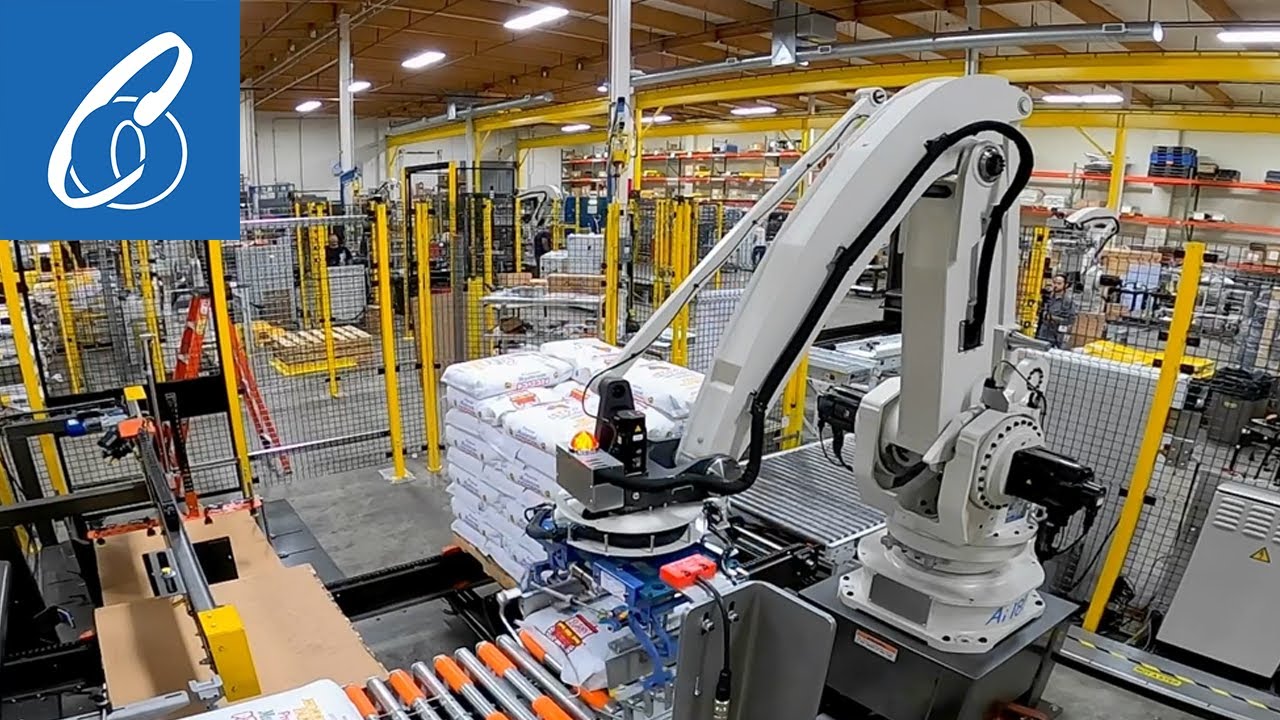
Industrial Robotic Palletizing System for Bulk Bags
Columbia/Okura LLC
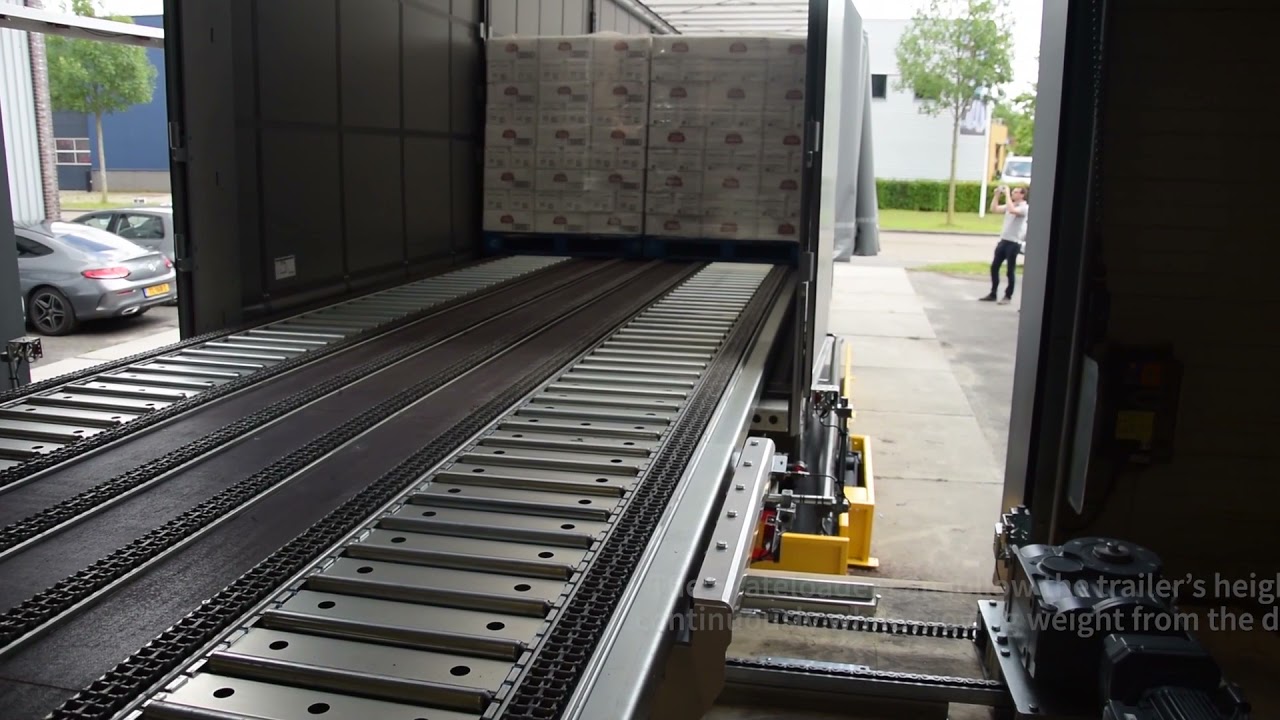
Skateloader: Automatic One-shot Loading System
Ancra Systems
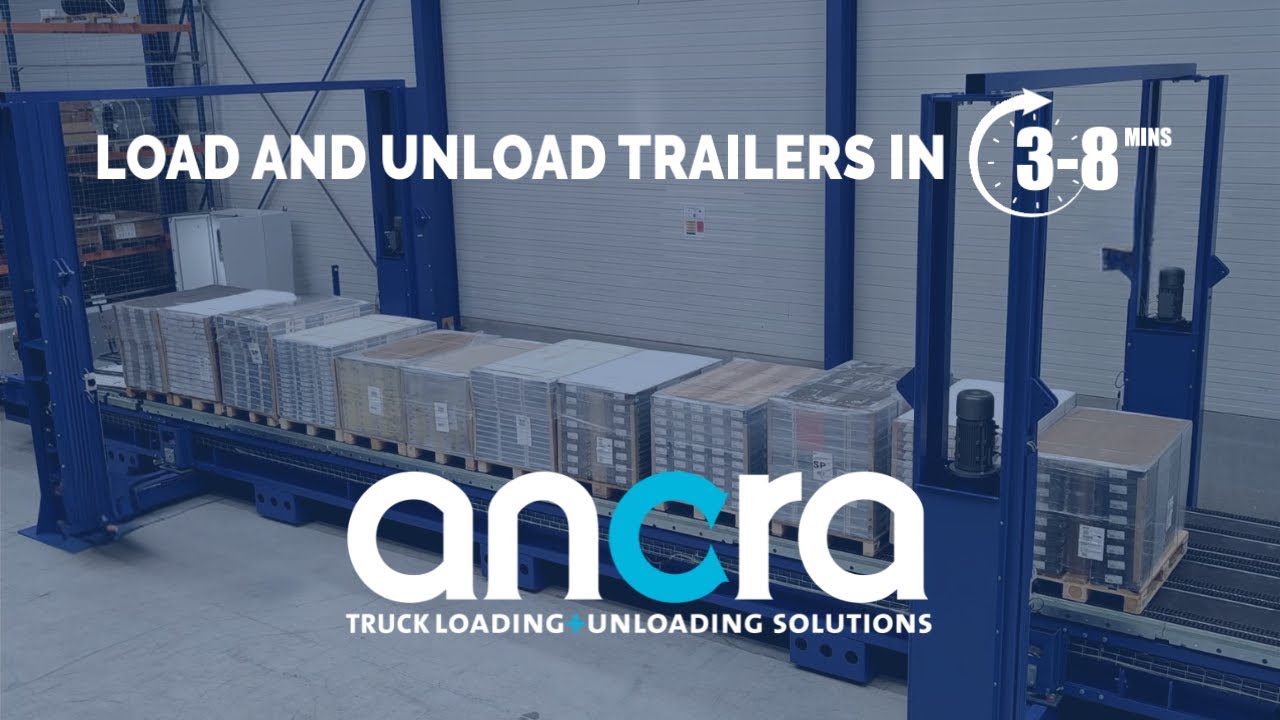
Skateloader: Automated Truck/Container Loading System with Buffer
AncraSystems